








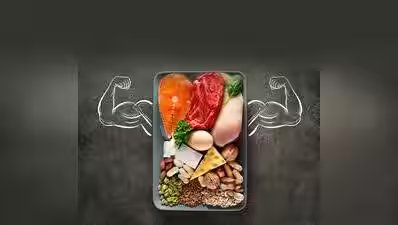
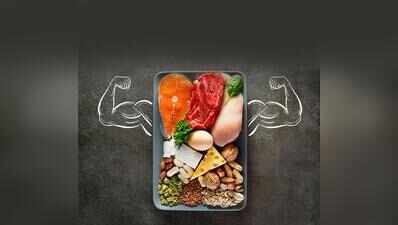
Hyderabad: Protein, once associated mostly with gym-goers and post-workout whey shakes, is now finding its way into milk cartons, bread, cheese, peanut butter, Greek yoghurt, liquid egg whites, breakfast mixes, atta, dosa batter, pasta, biscuits, ice-cream and ready-to-eat meals.Health-food and nutrition stores in Hyderabad say demand has moved beyond bodybuilders and athletes. Protein-rich products are now being bought by office-goers, students, weight-watchers and families seeking healthier meal options.From gym flexing to ‘protein maxxing’For 25-five-year-old techie Sai Krishna, a vegetarian, the shift was practical. He felt dal and milk alone were not enough. “I tried protein powders, but many regular products had added sugar and other ingredients I wanted to avoid. So I started looking at everyday food items such as milk and bread that offered more protein and seemed like cleaner alternatives,” he says.Krishna spends over ₹4,000 a month on such products, including 250 ml protein milk cartons priced at about ₹100 and containing around 25g of protein. “For me, protein is an added benefit. My main aim is to reduce sugar and calorie intake,” says Krishna, who cut down from around 98 kg to 85 kg in six months and brought sugar levels to normal range.Yash Madhurendra, a software engineer from Gachibowli, includes chicken, fish, lamb, pulses, eggs and protein powder in his diet. “When I started going to the gym, I began taking protein powder and protein oats, along with peanut butter. My busy office schedule and growing awareness of protein content and absorption prompted me to change my daily eating habits. I spend around ₹8,000–₹10,000 a month on food and protein products,” he says.Quick-commerce platforms such as Blinkit, Zepto, Instamart and Bigbasket have amplified the shift, delivering protein bars, drinks, snacks and meal replacements within minutes.Online shopping audits across eight major cities placed Hyderabad fifth in protein product availability, comparable to Bengaluru, Mumbai, Delhi and Pune. Nationally, quick-commerce platforms have reported a 150% rise in protein-related orders over the past two years, with growth spreading beyond metros.Consumer surveys too mirror the trend. The Farmley Healthy Snacking Report 2026 found that 86% of Indians consider protein important while choosing snacks, while 32% are willing to pay more for protein-rich products. It also found that 61% prefer snacks sweetened with natural ingredients such as dates and jaggery over refined sugar.J Pranay, the proprietor of a protein-focused meal store in Madhapur, says demand has risen 30–40% over the past year. He says customers are no longer just gym regulars. “From four to five customers a day, we now have more than 12–15 trooping in. Many are looking for protein-rich meals because they don’t have time to cook at home. Some want to build muscle, others want meals that support weight loss instead of just relying on supplements,” he says.A 25g serving of whey concentrate or blend can cost about ₹50–₹90, but whey remains a supplement, not a meal. Protein meal bowls, priced around ₹250–₹300 for 35g of protein, also include vegetables, grains and other ingredients, he explains.Fad or need?India is part of a global protein boom. An Associated Press report from June 2026 said food companies worldwide have added protein to cereals, chips, bagels and tortillas, while the dairy industry is struggling to supply enough whey.According to AS-IT-IS Nutrition, raw whey protein concentrate prices in India rose from ₹700–₹800 per kg in 2024 to ₹2,500–₹3,000 in 2026, making supplements costlier despite GST cuts.Social media has further accelerated the shift, with fitness influencers urging followers to consume 30–50g of protein at every meal. The American Medical Association described “protein maxxing” as a social media-driven practice in which people try to maximise protein intake to boost metabolism, manage weight and build muscle.Welcome shift, with caveatsDoctors say greater awareness is useful but warn against confusing protein claims with health. “Protein is essential for maintaining muscle, improving satiety and regulating blood sugar. The growing awareness is welcome, particularly given India’s high burden of diabetes and visceral fat. However, turning every processed snack into a ‘protein food’ is more about marketing than meaningful nutrition,” says Dr Ravi Sankar Erukulapati, senior endocrinologist, Apollo Jubilee Hills.The enthusiasm can also lead to excess. Praveen K, a gym coach in Banjara Hills, says some gym-goers eat six to 12 eggs a day, take two scoops of whey and reduce fibre and other nutrients. “They believe consuming more protein will automatically help them build muscle, but this approach is disturbing and can be harmful,” he says.How much protein is enough?Nutritionists say requirements vary by age, weight, activity and health status. Most healthy adults need about 0.8–1g of protein per kg of body weight daily, meaning a 70 kg person may need 55–70g. Those lifting weights regularly may need around 1.5–2g per kg. But 40–50g at every meal can push daily intake beyond 120–150g. “Eating 30–40 grams of protein at every meal may not be suitable for everyone,” says Swetha A, nutritionist at Yashoda Hospital.India’s protein challenge is also about quality. “Unlike many other countries where the source of protein is animal-based, India’s protein intake is largely cereal-based, with rice and wheat forming a major part of the diet. However, polished cereals have lower nutritional quality,” says Dr Subba Rao M Gavaravarapu, scientist, National Institute of Nutrition. Combining pulses with less-polished rice or wheat can improve the amino acid profile, while millets add diversity.Kidney cautionDoctors caution people with undiagnosed kidney disease, diabetes or hypertension. Dr Sree Bhushan Raju, HOD nephrology at NIMS, says excessive supplement use can stress kidneys and cause protein leakage in urine among gym-goers. “We get into these situations late in youngsters who want to build muscle. They take creatine, vitamins and protein supplements or shakes, anabolic steroids to build muscle, and painkillers for soreness,” he says.Focus on food first, closer look at labelsExperts say the priority should be food first. “There should be one natural protein source in each main meal: eggs, thick curd or sprouts at breakfast; dal, rajma, chole, paneer, fish or chicken at lunch and dinner. Greek yoghurt or plain whey can be convenient additions, but should supplement, not replace, whole foods. Supplements may help some athletes and people recovering from illness, after a professional assessment,” says Swetha.Experts advise reading labels closely. “A protein bar may offer 10–11g of protein but also significant sugar. It defeats the purpose of choosing a healthier snack,” says Dr Subba Rao. Many biscuits, bars and flavoured shakes also contain added sugars, sweeteners and emulsifiers.