







Scientists have reported strong new evidence that specially bred mosquitoes carrying a naturally occurring bacteria can significantly reduce the spread of dengue and chikungunya, after a major study involving more than 5,700 children in Brazil found a nearly 69 per cent drop in infections in areas where the mosquitoes were released.The four-year study, conducted in Belo Horizonte, Brazil, found that children living in neighbourhoods with these mosquitoes were far less likely to contract the two mosquito-borne viruses than those in similar areas without them. The protection remained effective even during Brazil’s severe dengue outbreak in 2024, researchers said on Saturday.The findings were presented at a meeting of the American Society of Tropical Medicine and Hygiene. They offer fresh support for using Wolbachia-carrying mosquitoes as an alternative to relying only on pesticides and measures to prevent mosquito bites.“This is really exciting,” said Dr David Hamer, a global health expert at Boston University who was not involved in the study.He said combining the release of Wolbachia mosquitoes with existing mosquito-control measures could “knock dengue down to much lower levels” in many places.The findings come as Florida faces an unusually large dengue outbreak, which appears to be the biggest recorded in any US state since at least the 1940s.Dengue cases in the continental US are usually linked to international travel. However, Florida health officials had recorded more than 650 locally acquired infections as of Friday. About three-quarters of these cases were reported in Hillsborough County, which includes Tampa.
How the mosquito strategy works
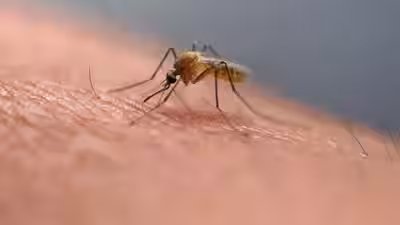
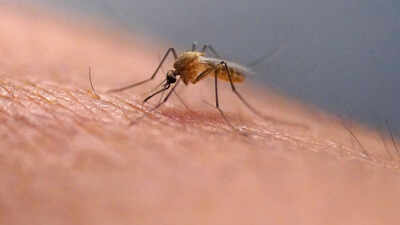
The approach involves breeding mosquitoes with Wolbachia, a type of bacteria that occurs naturally in many insects. The bacteria are harmless to humans but are not commonly found in Aedes aegypti mosquitoes, which spread dengue.Wolbachia significantly reduces the mosquitoes’ ability to transmit certain viruses. Female mosquitoes also pass the bacteria on to their offspring.Scientists release both male and female mosquitoes carrying the bacteria into a targeted area. As they breed with the local mosquito population, Wolbachia gradually becomes established. This reduces the ability of the wider mosquito population to spread viruses.The nonprofit World Mosquito Program has been leading efforts to develop and expand this approach outside the US. Earlier field trials in Indonesia and other locations have also shown significant reductions in dengue cases.
What the Brazil study found
The latest research went beyond tracking reported infections. Researchers tested children’s blood for evidence of dengue, chikungunya and Zika infections. This helped identify infections that may have gone undiagnosed because people experienced only mild symptoms.The study followed more than 5,700 children over four years. All participating neighbourhoods received the same pesticide treatments and other mosquito-control measures.However, researchers randomly selected half of the neighbourhoods to receive releases of Wolbachia-carrying mosquitoes. They then compared infection rates between children living in the two groups of neighbourhoods.The results showed about a 69 per cent reduction in dengue and chikungunya infections among children in areas where the specially bred mosquitoes were released.Researchers could not establish whether the strategy reduced Zika infections because there were too few cases to draw a reliable conclusion.