







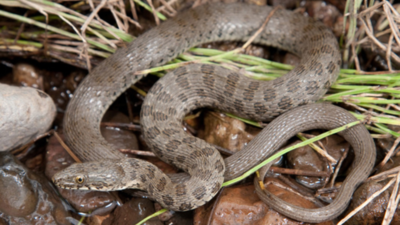
Twenty-one zoo-born narrow-headed garter snakes have been released into the wild at Canyon Creek in Arizona’s Tonto National Forest, marking the 100th snake released through the Phoenix Zoo’s managed breeding programme. The release took place on May 19, when the Arizona Game and Fish Department, Phoenix Zoo and conservation partners placed the threatened reptiles among the ponderosa pines of the Mogollon Rim. The snakes are being monitored through the summer using microchip identifiers and tracking arrays installed along the creek. The programme aims to strengthen low-density populations and help restore populations that have disappeared from parts of the species’ historic range, according to the Arizona Game and Fish Department.
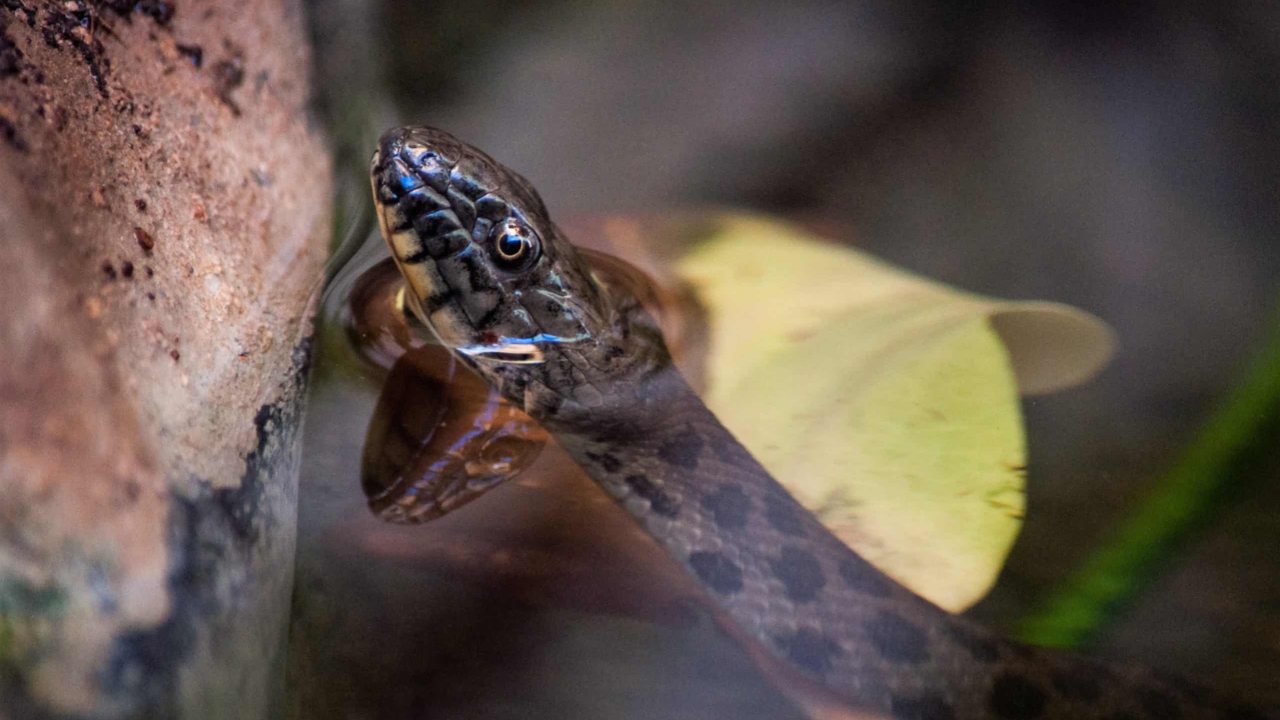
Image: Phoenix Zoo
21 narrow-headed garter snakes released into Arizona’s Canyon Creek
The 21 narrow-headed garter snakes were released into Canyon Creek as part of a long-term effort to recover the species, which is native to Arizona and listed as threatened under the Endangered Species Act. The release was carried out by staff from the Arizona Game and Fish Department, Phoenix Zoo, US Forest Service, Amphibian and Reptile Conservancy and the University of Arizona.The snakes are slender and nonvenomous, with elongated heads and colouring ranging from blue-grey to olive with reddish spots. They are found in rocky streams around the Mogollon Rim in Arizona and New Mexico, where they feed on small fish and tadpoles. Habitat loss, drought, and competition and predation from non-native invasive fish and crayfish are among the main threats to the species, according to the Arizona Game and Fish Department.
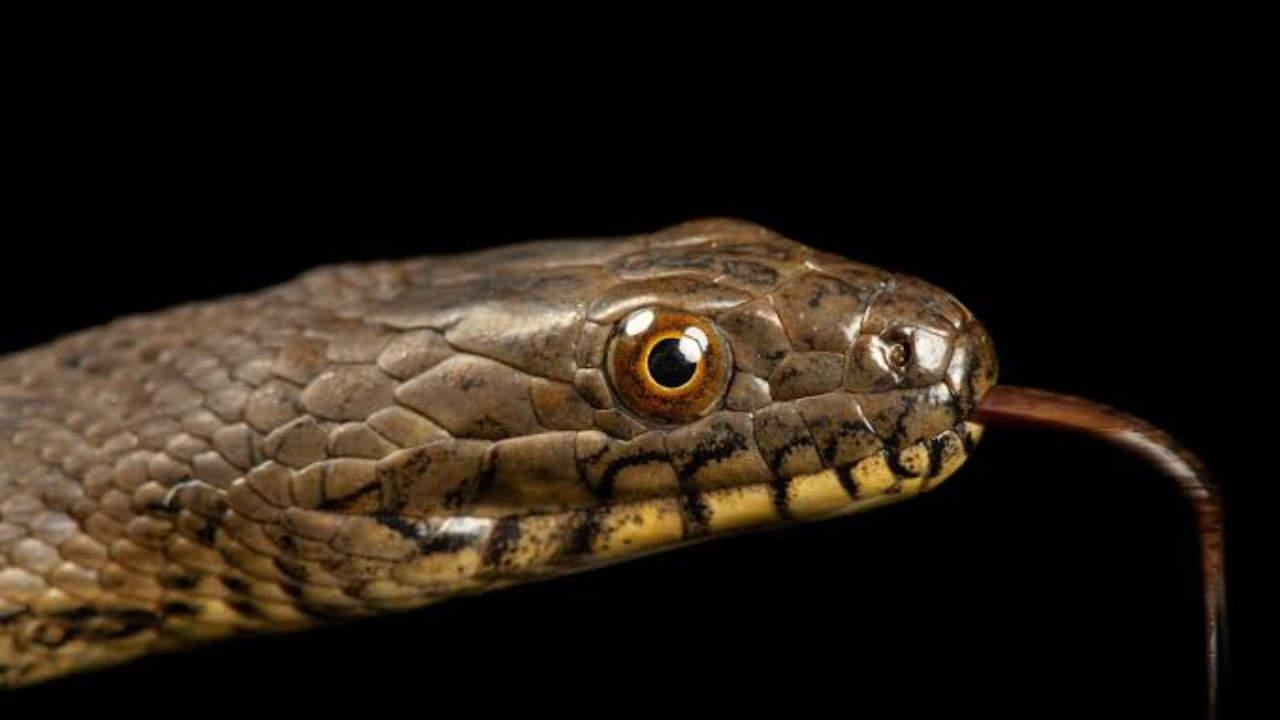
Image: Joel Sartore
Phoenix Zoo reaches 100th release milestone after years of captive breeding
The latest release marked the 100th narrow-headed garter snake released into the wild from the Phoenix Zoo’s managed breeding programme, which began in partnership with wildlife agencies in 2007. The zoo has refined its care methods by keeping the snakes in environments that closely resemble their semi-aquatic habitat and managing them in social groups. These efforts have resulted in 16 litters being born since 2009, the Arizona Game and Fish Department reported.Each released snake received a unique microchip identifier, while tracking arrays along Canyon Creek will allow University of Arizona researchers to monitor the snakes as they move through the habitat. The programme is designed to augment low-density wild populations and re-establish populations that have disappeared. The Arizona Game and Fish Department said the long-term work has helped researchers overcome some of the unknowns surrounding recovery of the species.